Intensive THERAPY FOR HIGHLY SENSITIVE & NEURODIVERGENT WOMEN | BURLINGTON, VT
THERAPY FOR AUTISM, ADHD, MASKING, & IDENTITY | ON-LINE AND IN PERSON IN BURLINGTON, VT
Stop abandoning yourself to belong.
Stop abandoning yourself to belong.
Rebuild self-trust to lead a life free from burnout and chronic self-doubt.
Immersive 1–3 day therapy intensives for highly sensitive, intuitive, and neurodivergent women who are exhausted from pushing through and second-guessing themselves—and ready to build a life that fits who they actually are.
When your sensitivity goes unnamed in childhood, you grow up thinking you are the problem.
When your sensitivity goes unnamed in childhood, you grow up thinking you are the problem.
The One Who Holds it Together
The One Who Holds it Together
From the outside you appear capable and reliable. You check all the "acceptable" boxes society listed out for you. People see an insightful and thoughtful individual that everyone can depend on. They see someone who gets things done, shows up, and pushes through when things get rough.
On paper, you are doing well. But what most people don't see is how much effort it takes to hold everything together.
From the outside you appear capable and reliable. You check all the "acceptable" boxes society listed out for you. People see an insightful and thoughtful individual that everyone can depend on. They see someone who gets things done, shows up, and pushes through when things get rough.
On paper, you are doing well. But what most people don't see is how much effort it takes to hold everything together.
Running on Empty
Running on Empty
They don't see that you are one straw away from breaking the camel's back. How so much of your life is built around overriding your needs.
You became exceptionally good at being capable.
So good, in fact, that almost no one noticed how much it was costing you. Inside yourself there is a different story. Shame spirals, rumination, and collapse are your companions when left alone.
You see how easy like seems for everyone else, and you break your back trying to keep up with the standard that you "should" be able to keep up with.
They don't see that you are one straw away from breaking the camel's back. How so much of your life is built around overriding your needs.
You became exceptionally good at being capable.
So good, in fact, that almost no one noticed how much it was costing you. Inside yourself there is a different story. Shame spirals, rumination, and collapse are your companions when left alone.
You see how easy like seems for everyone else, and you break your back trying to keep up with the standard that you "should" be able to keep up with.
Chronic Misattunement
Chronic Misattunement
But here's the thing... you got missed. Maybe you were sensitive in ways the adults around you didn't understand.
Maybe you noticed things other people didn't.
Maybe your needs didn't fit what was considered normal, reasonable, or acceptable.
Whatever the reason, you learned to compare yourself against standards that were never built for you in the first place.
Maybe it was neurodivergence, an HSP-Autism, "giftedness," ADHD, or "twice exceptional" (2e). Your nervous system was trying to communicate something real, and nobody knew how to read it.
So you grew up comparing yourself to a standard and norm not made for your brain.
But here's the thing... you got missed. Maybe you were sensitive in ways the adults around you didn't understand.
Maybe you noticed things other people didn't.
Maybe your needs didn't fit what was considered normal, reasonable, or acceptable.
Whatever the reason, you learned to compare yourself against standards that were never built for you in the first place.
Maybe it was neurodivergence, an HSP-Autism, "giftedness," ADHD, or "twice exceptional" (2e). Your nervous system was trying to communicate something real, and nobody knew how to read it.
So you grew up comparing yourself to a standard and norm not made for your brain.
The answer isn't to try harder to fit a box not made for your neurotype; it's to build a world that fits you instead.
The answer isn't to try harder to fit a box not made for your neurotype; it's to build a world that fits you instead.
You may look like you're holding it together. That doesn't mean you're okay.
You may look like you're holding it together. That doesn't mean you're okay.
Over-Giving & Self-Abandoning
You've become so focused on meeting everyone else's needs that you've lost touch with your own. Saying yes feels automatic, while honouring your limits feels uncomfortable, selfish, or even unsafe.
The more exhausted you become, the harder it feels to stop.
Over-Giving & Self-Abandoning
You've become so focused on meeting everyone else's needs that you've lost touch with your own. Saying yes feels automatic, while honouring your limits feels uncomfortable, selfish, or even unsafe.
The more exhausted you become, the harder it feels to stop.
doubting yourself
You replay conversations, overanalyse decisions, and look to other people for reassurance. You are exhausted from questioning what you already know and struggling to trust your own inner voice.
Deep down, you're tired of needing external validation to feel real.
doubting yourself
You replay conversations, overanalyse decisions, and look to other people for reassurance. You are exhausted from questioning what you already know and struggling to trust your own inner voice.
Deep down, you're tired of needing external validation to feel real.
feeling like the problem
No matter how hard you try, life seems harder for you than it does for everyone else. Over time, that difference starts to feel like evidence that something is wrong with you, rather than a sign that your needs have gone unseen and unsupported.
When one small thing goes wrong, suddenly you're in a shame spiral wondering why everyone else "does life better."
feeling like the problem
No matter how hard you try, life seems harder for you than it does for everyone else. Over time, that difference starts to feel like evidence that something is wrong with you, rather than a sign that your needs have gone unseen and unsupported.
When one small thing goes wrong, suddenly you're in a shame spiral wondering why everyone else "does life better."
Clarity. Self-Trust. Relief. A life that fits.
You don't need more coping skills. You need space to hear yourself again.
Traditional therapy can be life-changing, but when you're exhausted, burned out, and questioning yourself at every turn, it can be hard to untangle years of patterns in a fifty-minute session. Therapy intensives create the time and space to slow down, notice the patterns beneath the burnout, and finally understand yourself differently.
Together, we'll explore what's been driving the exhaustion, self-doubt, and over-functioning so you can begin rebuilding trust in yourself. Instead of rushing toward solutions, we make room for clarity, self-understanding, and the kind of change that happens when you slow down enough to see that you no longer have to keep proving your needs are valid.
Intensives are where your rejected selves become your greatest source of wisdom. Through deep attunement you begin returning to yourself.
Clarity
For years you've been trying to solve the symptoms—burnout, self-doubt, overthinking, people-pleasing—without fully understanding what's driving them. Instead of spending months slowly gathering context, we follow the threads that matter most without having to stop just as something important begins to emerge.
Self-Trust
Self-Trust
When you've spent a lifetime looking outside yourself for answers, trusting your own needs can feel impossible. Together, we'll explore the patterns that taught you to abandon yourself and begin rebuilding confidence in your own inner knowing. Many clients leave with something they've been searching for for years: a coherent understanding of themselves.
A Life that Fits
A Life that Fits
The goal isn't to become better at pushing through. It's to create a life that works with your nervous system instead of against it. Whether we're exploring burnout, self-trust, late-identified neurodivergence, boundaries, masking, chronic shame, or life transitions, every intensive is designed around you.
Somewhere along the way, you learned that trusting expectations felt safer than trusting your own capacity.
Somewhere along the way, you learned that trusting expectations felt safer than trusting your own capacity.
Intensive therapy creates the space to see the bigger picture and make sense of your experiences in a way that dissolves confusion and rebuilds self-trust.
Intensive therapy creates the space to see the bigger picture and make sense of your experiences in a way that dissolves confusion and rebuilds self-trust.
THERAPY INTENSIVES
CAN HELP YOU
Finally understand the patterns beneath the burnout, self-doubt, and over-functioning
Make sense of experiences that have never quite fit traditional explanations
Understand and hold your experience in a different way so that you no longer feel like "the problem"
Set boundaries, say no, and advocate for your needs without shame and self-criticism
Recognise and trust your internal "no" and "yes" before your body has to speak for you through pain, fatigue, or burnout.
What once felt like personal failure begins to make sense in the context of sensitivity, neurodivergence, chronic misattunement, and the adaptations that helped you survive.
What once felt like personal failure begins to make sense in the context of sensitivity, neurodivergence, chronic misattunement, and the adaptations that helped you survive.
You'll leave with greater clarity, deeper self-trust, and a different relationship with the parts of yourself you've spent years trying to fix.
You'll leave with greater clarity, deeper self-trust, and a different relationship with the parts of yourself you've spent years trying to fix.
Your Transformation Journey
This work helps you trust your body's signals, honour your limits without guilt, and create a life that no longer depends on pushing past your capacity.
This work helps you trust your body's signals, honour your limits without guilt, and create a life that no longer depends on pushing past your capacity.
From self-abandoning → self-trusting
From self-abandoning → self-trusting
Learning to recognise, honour, and trust your own needs, limits, and inner knowing.
Learning to recognise, honour, and trust your own needs, limits, and inner knowing.
From over-giving → self-nurturing
From over-giving → self-nurturing
Learning to care for yourself with the same compassion you've offered everyone else for years.
Learning to care for yourself with the same compassion you've offered everyone else for years.
From self-doubt → confident clarity
From self-doubt → confident clarity
Understanding your patterns, making sense of your experiences, and feeling more certain about the choices that are right for you.
Understanding your patterns, making sense of your experiences, and feeling more certain about the choices that are right for you.
HOW INTENSIVES WORK
Intensive therapy creates the space to see the bigger picture and connect the dots between your experiences.Through a clear, supportive process you move forward with greater clarity and self-trust.
Intensive therapy creates the space to see the bigger picture and connect the dots between your experiences. Through a clear, supportive process you move forward with greater clarity and self-trust.
01| Consultation & Planning
A chance for us to explore what's bringing you here, determine whether an intensive is the right fit, and create a plan tailored to your needs.
02 | Your Intensive
Dedicated space to make sense of your experiences, understand long-standing patterns, and reconnect with
yourself.
03 | Integration & Support
You'll leave with practical next steps and a personalised integration plan so the insights from your intensive can continue supporting you long after our work together.
Testimonials
Reflections from people who've experienced this work
“
I consistently am feeling much lighter about my accident, and I haven’t had any big pain flares that have impacted my daily life.
-P., vehicular accident survivour
— Janice E.
“
By the middle of the session I thought we were done because I was already seeing positive results, and the best hadn’t even arrived yet. I never thought I could reframe the powerfully negative images and experiences of my life. For the first time I could see the whole picture.
-C., rejection sensitive dysphoria
“
Maverick is a professional and they care a lot about what they do, so I knew they would give it their all. And I sought it out because I was told it was very good, and I was not disappointed.
-S., neurodivergent trauma
— Amy B.
Hi, I'm Maverick!
For Autistic, ADHD, and deeply feeling adults who are ready to understand themselves with greater compassion and clarity.
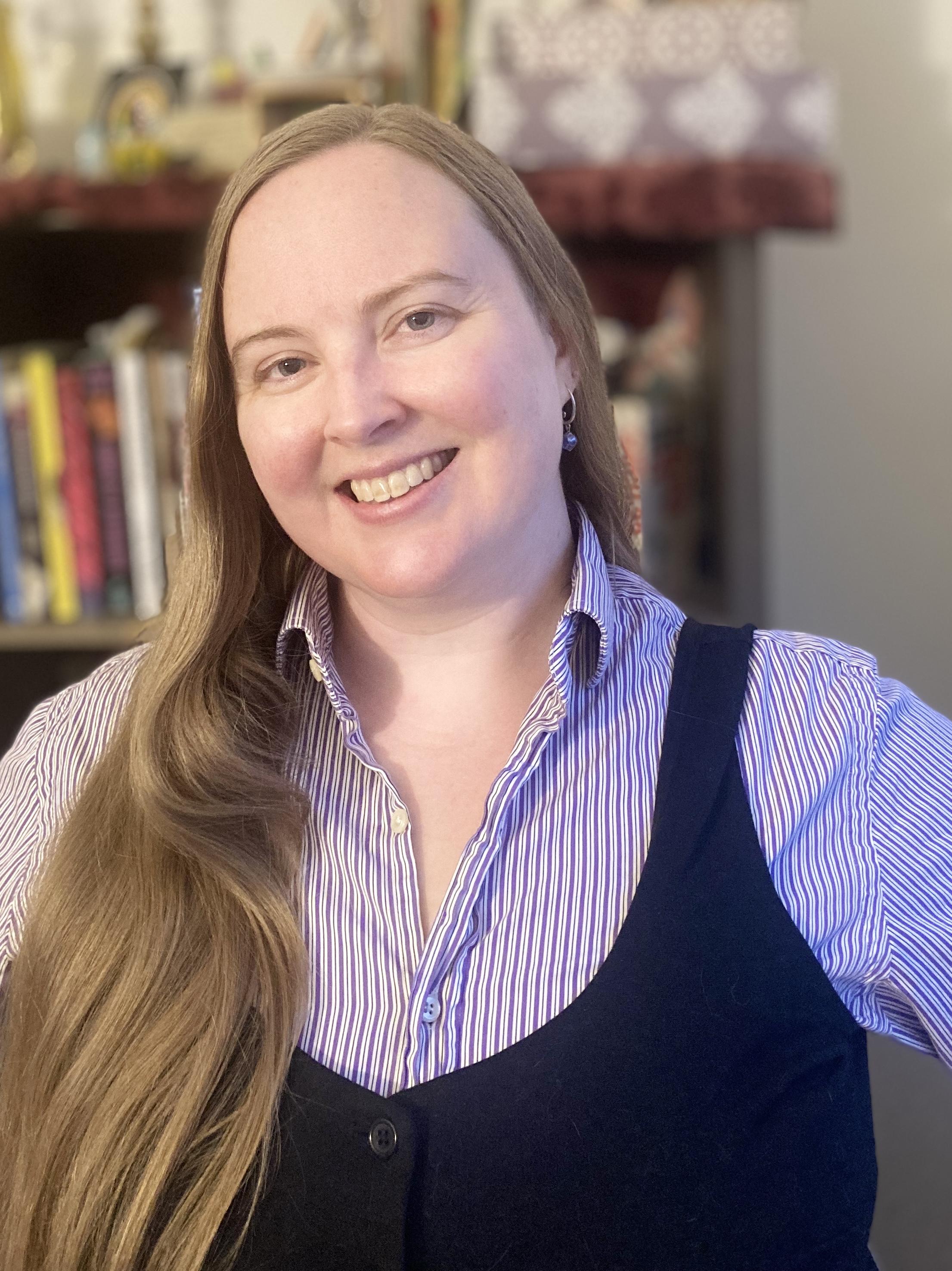
My path into this work was personal.
I know what it's like to be diagnosed later in life in the middle of burnout and wonder whether the parts of yourself you've always relied on might be gone forever. I remember questioning my capacity, my memory, and my ability to navigate the world in the ways I once had.
That experience changed me.
It deepened my understanding of how often people come to therapy believing there's something wrong with them, when in reality, they are responding in understandable ways to difficult experiences, impossible expectations, and environments that don't support their wellbeing.
Because of this, I approach therapy differently.
I don't believe healing happens through self-judgment, shame, or trying harder to fit into a world that asks us to abandon ourselves.
My path into this work was personal.
I know what it's like to be diagnosed later in life in the middle of burnout and wonder whether the parts of yourself you've always relied on might be gone forever. I remember questioning my capacity, my memory, and my ability to navigate the world in the ways I once had.
That experience changed me.
It deepened my understanding of how often people come to therapy believing there's something wrong with them, when in reality, they are responding in understandable ways to difficult experiences, impossible expectations, and environments that don't support their wellbeing.
Because of this, I approach therapy differently.
I don't believe healing happens through self-judgment, shame, or trying harder to fit into a world that asks us to abandon ourselves.
I believe healing begins when we become curious about our patterns, compassionate toward the parts of ourselves we've learned to reject, and willing to listen to what our experiences have been trying to tell us.
My work is grounded in trauma-informed therapy, transformative social work, and a deep respect for the complexity of being human. I help people understand the relationship between their personal experiences, their nervous system, and the larger systems that have shaped their lives.
When you work with me, you'll be met by someone who values authenticity over perfection, curiosity over judgment, and connection over performance.
I believe we are far more resilient, complex, and capable than we've been taught to believe. And I consider it a privilege to walk alongside people as they reconnect with their own wisdom, agency, and joy.
I believe healing begins when we become curious about our patterns, compassionate toward the parts of ourselves we've learned to reject, and willing to listen to what our experiences have been trying to tell us.
My work is grounded in trauma-informed therapy, transformative social work, and a deep respect for the complexity of being human. I help people understand the relationship between their personal experiences, their nervous system, and the larger systems that have shaped their lives.
When you work with me, you'll be met by someone who values authenticity over perfection, curiosity over judgment, and connection over performance.
I believe we are far more resilient, complex, and capable than we've been taught to believe. And I consider it a privilege to walk alongside people as they reconnect with their own wisdom, agency, and joy.
Lived Experience
Late-identified Autistic and ADHD therapist with firsthand experience of burnout, unmasking, and life transitions.
Specialised Practise
Focused exclusively on neurodivergent adults navigating burnout, trauma, identity exploration, spirituality, and major life transitions.
Clinical Training
Master's of Social Work with specialised training in trauma-informed and transformative approaches.
Accelerated Resolution Therapy
Evidence-based trauma treatment designed to help shift nervous system patterns efficiently and effectively.
Lived Experience
Late-identified Autistic and ADHD therapist with firsthand experience of burnout, unmasking, and life transitions.
Specialised Practise
Focused exclusively on neurodivergent adults navigating burnout, trauma, identity exploration, spirituality, and major life transitions.
Clinical Training
Master's of Social Work with specialised training in trauma-informed and transformative approaches.
Accelerated Resolution Therapy
Evidence-based trauma treatment designed to help shift nervous system patterns efficiently and effectively.
Self-doubt doesn’t stay neatly contained. It shows up in your energy, your relationships, your work, and your ability to trust what your body is telling you.
What to Expect
Investment
$2200
An investment in focused, transformative work that creates space for meaningful shifts in a matter of days rather than months.
The Experience
1 to 3 Immersive Days
Each intensive includes approximately 8.5 hours of guided therapeutic work, dedicated reflection time, structured breaks, and lunch.
Location
Burlington, VT
A private setting intentionally designed to support deep exploration, nervous system regulation, and restorative focus.
Integration
Support Beyond the Intensive
Every intensive includes a follow-up integration call, personalised resources, and a written summary to help anchor lasting change.
You Might Be Wondering...
You Might Be Wondering...
What if this feels overwhelming?
That's a common concern, especially if you've spent years pushing through burnout, overriding your limits, or carrying more than your nervous system was ever meant to hold. Intensive therapy is designed to be focused, not overwhelming.
We move at a pace that supports your nervous system, with built-in breaks, reflection time, and space to slow down when needed. The goal isn't to push through discomfort—it's to create enough safety and support that meaningful change becomes possible.
Shouldn't I be able to do this on my own?
That is a common thought because of the hyper-individualistic society we live in. Many of the people I work with have spent years trying to do exactly that. They're thoughtful, capable, and deeply self-aware. The challenge is rarely a lack of effort or insight. Human beings aren't meant to heal in isolation.
Therapy isn't about someone else having the answers—it's about having a supportive guide, an outside perspective, and a structured process that helps you access your own wisdom with greater clarity and self-trust.
What if I've tried everything and nothing seems to stick?
If that's how you're feeling, you're not alone. Many people arrive here after years of reading books, listening to podcasts, attending therapy, and genuinely trying to create change. Often the issue isn't a lack of effort—it's that the work has focused on fixing behaviours without addressing the deeper patterns of self-distrust, over-functioning, burnout, or self-abandonment beneath them. My approach focuses on building capacity, self-trust, and sustainable change rather than chasing perfection.
What if I discover I need to make big changes in my life?
Many people worry that if they start listening to themselves more deeply, they'll suddenly realise they need to leave a relationship, change careers, or completely reinvent their lives. That's not the goal of this work.
We focus on building clarity, self-trust, and capacity. Sometimes meaningful changes emerge naturally from that process, but there is no pressure to make major decisions before you're ready. Clarity comes before action.
What if therapy focuses on everything that's wrong with me?
I don't believe in people having "things wrong with them." I believe that humans have a state of harmony and balance that is unique to them, and in this oppressive world it is easy to think we are "wrong" when we are really just different. I don't believe healing happens through shame, criticism, or trying to become someone else.
Much of this work involves understanding the patterns you've developed to survive, relating to them with compassion, and reconnecting with parts of yourself you've learned to distrust or reject. The goal isn't to figure out what's wrong with you. It's to understand yourself more fully and create space for new possibilities.
What if I've had negative experiences with therapy before?
Many of the people I work with have felt misunderstood, pathologised, or unsupported in previous therapeutic experiences. This is especially common among neurodivergent adults who have spent years being told they are too much, not enough, or somehow getting life wrong.
My approach is grounded in both lived experience and professional training, with a focus on curiosity, collaboration, and understanding your experiences within a broader context rather than reducing them to symptoms or diagnoses.
What if this feels overwhelming?
That's a common concern, especially if you've spent years pushing through burnout, overriding your limits, or carrying more than your nervous system was ever meant to hold. Intensive therapy is designed to be focused, not overwhelming.
We move at a pace that supports your nervous system, with built-in breaks, reflection time, and space to slow down when needed. The goal isn't to push through discomfort—it's to create enough safety and support that meaningful change becomes possible.
Shouldn't I be able to do this on my own?
That is a common thought because of the hyper-individualistic society we live in. Many of the people I work with have spent years trying to do exactly that. They're thoughtful, capable, and deeply self-aware. The challenge is rarely a lack of effort or insight. Human beings aren't meant to heal in isolation.
Therapy isn't about someone else having the answers—it's about having a supportive guide, an outside perspective, and a structured process that helps you access your own wisdom with greater clarity and self-trust.
What if I've tried everything and nothing seems to stick?
If that's how you're feeling, you're not alone. Many people arrive here after years of reading books, listening to podcasts, attending therapy, and genuinely trying to create change. Often the issue isn't a lack of effort—it's that the work has focused on fixing behaviours without addressing the deeper patterns of self-distrust, over-functioning, burnout, or self-abandonment beneath them. My approach focuses on building capacity, self-trust, and sustainable change rather than chasing perfection.
What if I discover I need to make big changes in my life?
Many people worry that if they start listening to themselves more deeply, they'll suddenly realise they need to leave a relationship, change careers, or completely reinvent their lives. That's not the goal of this work.
We focus on building clarity, self-trust, and capacity. Sometimes meaningful changes emerge naturally from that process, but there is no pressure to make major decisions before you're ready. Clarity comes before action.
What if therapy focuses on everything that's wrong with me?
I don't believe in people having "things wrong with them." I believe that humans have a state of harmony and balance that is unique to them, and in this oppressive world it is easy to think we are "wrong" when we are really just different. I don't believe healing happens through shame, criticism, or trying to become someone else.
Much of this work involves understanding the patterns you've developed to survive, relating to them with compassion, and reconnecting with parts of yourself you've learned to distrust or reject. The goal isn't to figure out what's wrong with you. It's to understand yourself more fully and create space for new possibilities.
What if I've had negative experiences with therapy before?
Many of the people I work with have felt misunderstood, pathologised, or unsupported in previous therapeutic experiences. This is especially common among neurodivergent adults who have spent years being told they are too much, not enough, or somehow getting life wrong.
My approach is grounded in both lived experience and professional training, with a focus on curiosity, collaboration, and understanding your experiences within a broader context rather than reducing them to symptoms or diagnoses.
When you stop viewing yourself through a lens of judgment, everything starts to look different.
When you stop viewing yourself through a lens of judgment, everything starts to look different.
what felt like failure starts making sense
what felt like failure starts making sense
what felt like failure starts making sense
what felt like failure starts making sense
Helping deeply sensitive and neurodivergent adults rebuild self-trust, inner authourity, and lives that actually fit.
Providing therapy in person and online for Burlington, Chittenden County, and anyone within Vermont.
Pre-licenced therapist in the State of Vermont 097.0135825.